Quick Answer
- Between 14–18 July 2026, Sunrise Adventure Cruises ran the first-ever tourist expedition to Sanaroa Island in Milne Bay Province, Papua New Guinea — a trip born from a partnership with Expedition X Adventure Tours, an adventure travel company based on the Gold Coast, Australia, run by Izzak “Izzy” Morris.
- Thirteen guests (11 Australians, 1 American, 2 New Zealanders) camped on Kaluwana Island — one of eight uninhabited atolls on Sanaroa’s western, leeward side — and spent their days spearfishing, snorkeling, crabbing, and visiting inland villages for feasting ceremonies, school visits, and cultural demonstrations.
- The trip was planned over two months and run aboard MV Tiata, sailing overnight from Alotau via East Cape to reach Sanaroa’s reef systems at first light.
- What was learned on this trip directly shaped a new, permanent product: the 5-Day Island Camping Adventure Cruise, now bookable for travelers who want the same uninhabited-island camping experience without being the first to try it.
Some planned stops — the Deidei geothermal hot springs, Dobu Island’s 1891 Methodist church, and Sanaroa’s inland waterfall — weren’t reached this time due to time pressure, and remain on the itinerary for future departures.
Some trips get planned on a whiteboard with a checklist. This one got planned over two months of phone calls between a boutique cruise operator in Alotau and an adventure travel company on the other side of the Coral Sea — and it ended with thirteen strangers becoming, as far as anyone can tell, the first tourists in history to make camp on Sanaroa Island.
The Call That Started It All
It began, as these things often do, with someone asking for something nobody had quite done before. Izzak “Izzy” Morris, who runs Expedition X Adventure Tours out of the Gold Coast, Australia, called Sunrise Adventure Cruises with a simple but genuinely ambitious brief: build a proper island adventure into the far southeastern archipelago of Papua New Guinea, on a liveaboard, for a group who wanted to hunt, spearfish, snorkel, fish, and genuinely disappear into somewhere few outsiders had been. What followed was two months of back-and-forth — supply lists, logistics, updates traded regularly — landing on Sanaroa Island, a 150km sea crossing from Alotau, home to roughly 2,000 people who fish and farm for a living, and, at that point, absolutely no tourism infrastructure to speak of.

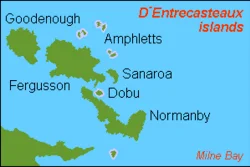
That last part wasn’t a footnote. It was the entire point.
Thirteen Strangers, One Airport, No Time for Introductions
The group came together at Jackson’s Domestic Terminal in Port Moresby on 14 July — eleven Australians, one American, two New Zealanders, thirteen people in total, most of them in their late twenties to late thirties. They’d just come from Goroka, where they’d watched the Asaro mud men perform. There wasn’t much time for handshakes in a crowded airport with everyone juggling luggage, so the real introductions would end up happening later, on an island neither the guests nor most of the crew had ever set foot on either.
Getting to that airport had already taken real work. A few days earlier, Izzy and one of the travelers, Dan, had flown out early to help buy supplies and load them onto the liveaboard at the Royal Papua Yacht Club before it departed for Alotau. Meat had to be bought in Port Moresby, since Alotau’s shops were known for a thinner selection. A full day went into camping supplies — tents, lighting, mattresses. And hanging over all of it was one recurring worry: whether the older Fokker 100 aircraft Air Niugini had long relied on could even land at Gurney Airport through Milne Bay’s notorious cloud cover.
That worry, as it turned out, had an answer nobody expected yet.
A New Airbus, Milne Bay’s Clouds, and a Very Loud Cheer
The flight out of Port Moresby was aboard one of Air Niugini’s brand-new Airbus A220-300 aircraft — purchased months earlier, in September 2025, to mark Papua New Guinea’s 50th anniversary of independence. Nobody on board fully appreciated it yet, but this aircraft could land in conditions that would have turned the old Fokkers around.
Milne Bay didn’t make that easy to believe in the moment. As the plane entered its airspace, thick cloud rolled past the windows, and doubt crept in — right up until the cloud parted above the runway, revealing palm oil plantations and thick tropical rainforest below. When the wheels touched down, the cabin erupted. Thirteen adventure travelers, cheering and clapping for a runway in Milne Bay Province, was as good an indicator as any of how much this trip already meant to the people on it.
The group’s energy didn’t dim on the ground either — a JBL speaker came out at baggage claim, and the party essentially started in the arrivals lounge of what was still, at the time, Gurney Airport’s temporary terminal building (the permanent one was set to open just weeks later).
Getting Everyone and Everything to the Water
What followed was less a scenic drive and more a logistics relay: a 15-seater minibus from the airport into Alotau town, a stop at a newly built supermarket for water, rice, flour, tea, coffee, and sugar, then a scramble to get the supplies to the wharf after the tenders turned out to be waiting at the wrong jetty. A stranger’s wantok (Tok Pisin for someone from the same home area, speaking the same language) got roped into helping. Cousins were called in. Permission was sought to use a private jetty at the Alotau Waterfront Lodge. Three police escorts came aboard for the crossing — largely as a precaution, and, as everyone would later agree, one that turned out not to be necessary at all.
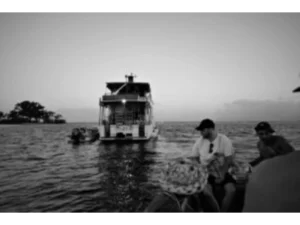
By early afternoon, everyone and everything was finally aboard MV Tiata, and the vessel pulled out of Sandersons Bay toward East Cape at around 1pm.
An Overnight Crossing, Timed for First Light
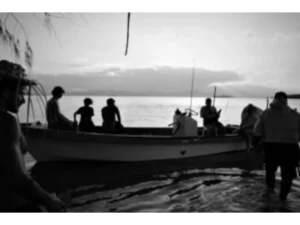
The run from Alotau to Sanaroa isn’t a quick hop — MV Tiata reached East Cape by 7:30pm that evening, then turned northeast to follow the coastline of Normanby Island through the night. By 5am, the crew was waking everyone up: Sanaroa Island was close.
What happened next says a lot about how this particular captain worked. Knowing Sanaroa’s waters were thick with fringing reef, he’d deliberately slowed the vessel to time the approach for dawn — better light meant a better chance of spotting reef before it became a problem. One of Sanaroa’s own community organizers, who also happened to be an experienced boat master, came out in a small fiberglass boat to guide MV Tiata the rest of the way in. It took a few careful minutes to find the right depth before the anchor finally went down.
Kaluwana Island: A War Dance, Then a Swim
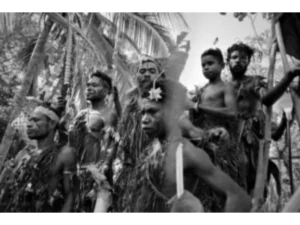
The sun was still climbing when the first tenders went ashore to Kaluwana Island — one of eight uninhabited atolls tucked along Sanaroa’s western, leeward side. Waiting on the beach was a welcome nobody had quite prepared for: men and women in traditional grass skirts and leaf attire, performing a war dance with spears and chants. A second group followed with guitar and song, women dancing while the men played.
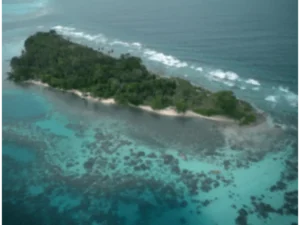
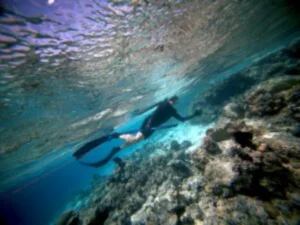
After a walk around the island — 400 meters of it, all told, and entirely uninhabited under normal circumstances — the tenders went back out for the afternoon’s real business: fishing, spearfishing, snorkeling, sightseeing. Several of the travelers turned out to be professional filmmakers, video editors, and content creators, and cameras came out everywhere. Whatever was caught or speared came back to the boat for ceviche, or handed to the onboard chef.
Dinner that night was spicy mud crab, claws nearly the size of an adult hand, cooked on the main Sanaroa Island by local caterers and ferried across by tender — because the reefs around Kaluwana were treacherous enough at night that Andy, the operator, wasn’t willing to risk his boats or motors making the crossing back in the dark. The cooks ended up camping out on Kaluwana with everyone else. For one night, an island that’s normally silent and empty was full of music, firelight, and thirteen very happy strangers falling asleep in their tents well past midnight.
Day Two: A Crab Hunt That Came Up Empty, and a Village in Mourning.
Day two started slower — tenders didn’t leave the boat until 7am. A small group headed out crabbing in Sanaroa’s mangroves, wading through knee-deep mud and dense roots for over an hour without finding a single mud crab. The locals had two explanations, and offered both without much fuss: the tide had already turned, which is genuinely the wrong time to hunt crab, and — separately — a local belief holds that fishing and crabbing simply don’t produce when there’s been a recent death in the village.
There had been. A man who’d been ill had passed away that same day, and a wake was underway.
What happened next is worth sitting with for a moment, because it says something real about how this trip was actually run: the planned welcome ceremony on Sanaroa’s shores was quietly moved inland, out of respect for the grieving village. Nothing about the day’s cultural program was canceled — it was simply relocated, and handled with the same care a host might show a guest who happened to arrive during a difficult week.
A School’s Welcome Song, and a Feast That Wasn’t Quite a Feast
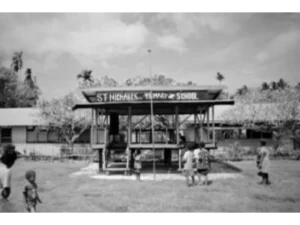
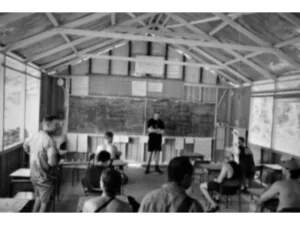
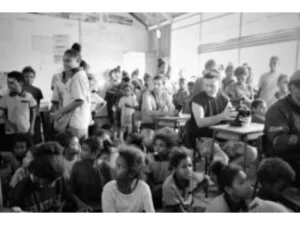
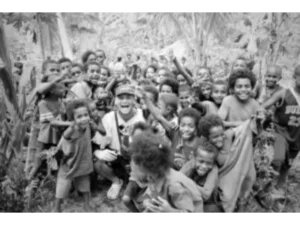
By early afternoon, the group reached Sanaroa’s shore, where the local school had prepared a welcome song. Kids sang, drones went up, candy got handed out, and the travelers spent a genuinely unhurried half hour sitting in classrooms, talking with teachers and students.
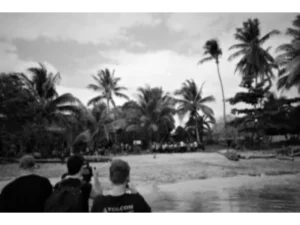
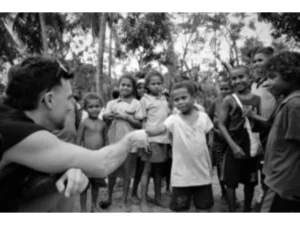
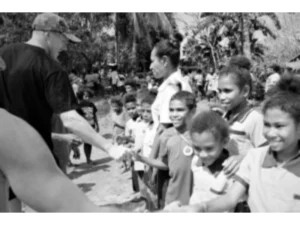
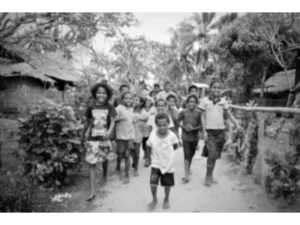
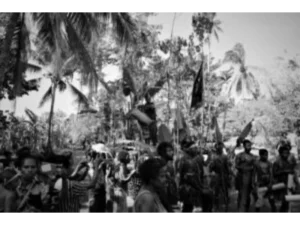
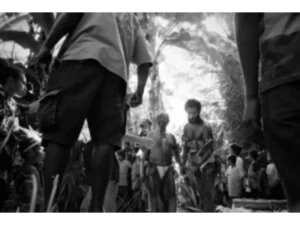
After a simple lunch, the real cultural centerpiece of the trip began: a 30-minute walk through swamp and forest into a village called Manpowa, where the same warrior dancers from Kaluwana performed again — this time for a bigger crowd, since half the surrounding villages had joined the walk by then.
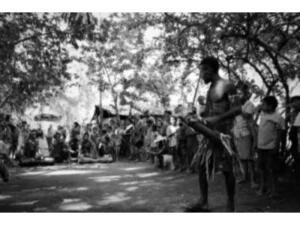
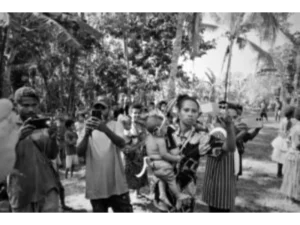
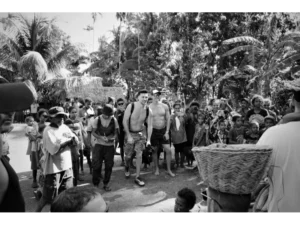
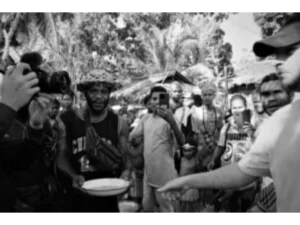
What followed was a mock feasting ceremony, and it’s worth explaining properly, because it’s a genuinely significant piece of local custom: a real feasting ceremony involves building a large open platform stacked with yams, pig meat, bananas, sugarcane, and giant taro — gifts presented to relatives and friends, near and far, as a way of drawing people together for a shared celebration. For this smaller, staged version, no pig was slaughtered, but the format held: names were called out, one by one, and each traveler walked up to receive yams from the platform amid a lot of laughter and camera flashes — locals photographing the visitors as much as the other way around.
Bwabwasai: Sago, Betelnut, and a Village That’s Family
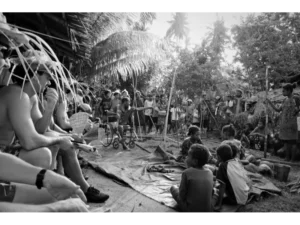
From Manpowa, the group walked down to Bwabwasai — which happens to be the village where the trip’s own PNG-based organizer’s mother is from. The reception was another song, guitars strumming at the village entrance, followed by singing and dance performed properly for the group.
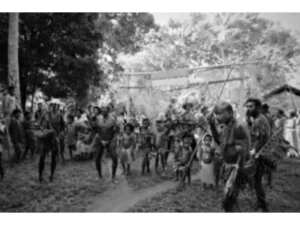
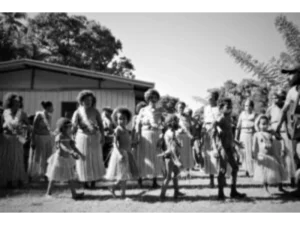
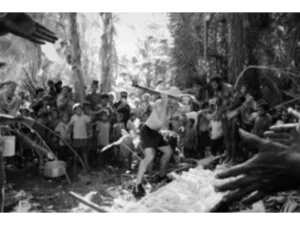
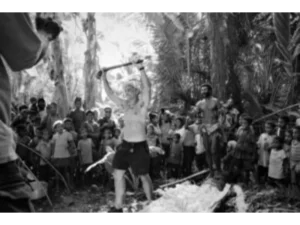
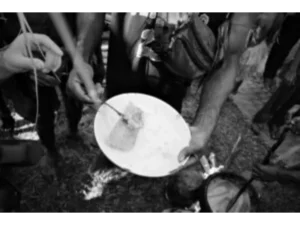
Then came the hands-on part: sago-making, with travelers taking turns beating starch from the pulp with stone axes before squeezing it into water to separate the flour — a direct, physical lesson in exactly where local food actually comes from. At the same spring the village draws its drinking water from, several travelers took a sip and compared it, unprompted, to good mineral water. A young boy scaled a tall betelnut palm and came back down almost as fast as he’d gone up, to general amazement, and several travelers tried betelnut for the first time.
The village had cuscus — a tree-dwelling possum — kept in a cage for viewing, along with carvings, mats, baskets, and woven fans on display. Someone was cooking sago mona, a ceremonial dish made sweet with coconut, cooked slowly in a clay pot. On the way out, one last stop: an elder demonstrating, live, how Kula traders — men who once sailed long distances to trade shells, armbands, and decorated pig tusks between islands — would traditionally have been welcomed. The day closed with refreshments at the local pastor’s house near the school, before tenders carried everyone, laden with gifts and handicraft purchases, back to the boat.

An Early Departure, Two Pigs, and a Jersey Left Behind
That evening, word came through that flights out of Gurney might be at risk from cloud cover again — enough of a concern that the whole schedule got compressed, cutting what should have been a four-day trip down to three. Day three moved fast: a pig purchase (delayed nearly two hours chasing down a roaming one before settling on two penned animals), a slaughter, and a proper feast — one pig for the travelers, one shared among the villagers and organizers who’d made the week possible.
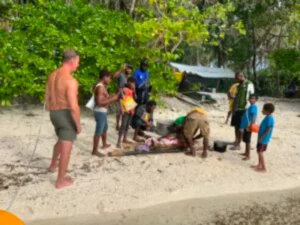
Amid the preparations, a few locals came aboard with handicrafts and artifacts to sell, and the group bought generously. Izzy left a gift of his own: a jersey, presented to the school, with a request that it be framed — a small, permanent marker of being the first tourists to ever visit Sanaroa Island.
By 8pm, MV Tiata was underway again, sailing slow through the night, past East Cape by mid-morning, and into Alotau by 3pm on Saturday — where the group promptly went to watch sport at Alice Wedega Park and unwind over lunch at Driftwood Resort.
What This Trip Became
A first trip like this teaches an operator things no amount of planning can — which is exactly what happened here. The lessons from this expedition went straight into building a permanent product: the 5-Day Island Camping Adventure Cruise, now bookable for travelers who want Kaluwana’s uninhabited-island camping experience without needing to be the first ones to figure it out.
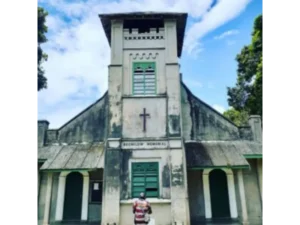
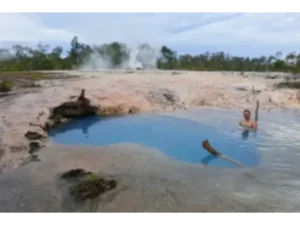
A few things planned for this trip didn’t happen — the Deidei geothermal hot springs, Dobu Island’s extinct volcano and its 1891 Methodist church, and Sanaroa’s inland waterfall all got left for another visit, purely down to time pressure and the flight scare. They remain firmly on the list for guests who book now.
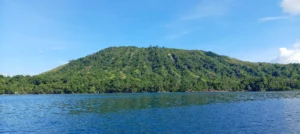
One more detail worth including, since it matters to anyone planning their own trip: May through August is typically rough sailing in this part of Milne Bay, thanks to the prevailing southeasterly trade winds. This particular July, likely thanks to an El Niño pattern through 2026, the seas stayed unusually calm for most of the trip — aside from one rougher stretch off Normanby Island’s northwestern side. Worth knowing, and worth asking about, if you’re planning your own dates.
Frequently Asked Questions
Where is Sanaroa Island, and how do you get there? Sanaroa Island sits roughly 150km by sea from Alotau, in Milne Bay Province, Papua New Guinea. The crossing is made by liveaboard vessel, typically overnight, via East Cape and along the Normanby Island coastline.
Was this really the first tourist trip to Sanaroa Island? Yes — this July 2026 expedition, a partnership between Sunrise Adventure Cruises and Expedition X Adventure Tours, is understood to be the first organized tourist visit to the island. The local school marked the occasion, and Izzy Morris left a jersey there in remembrance of it.
What’s included on the 5-Day Island Camping Adventure Cruise that came out of this trip? Full-time camping on Kaluwana Island, with day trips to Sanaroa Island and the surrounding atolls for snorkeling, spearfishing, fishing, village visits, and cultural experiences — built directly from what worked well on this first expedition.
Who is Expedition X Adventure Tours? Expedition X Adventure Tours is a Gold Coast, Australia-based adventure travel company run by Izzak “Izzy” Morris, specializing in organizing ambitious trips for travelers looking for genuinely off-the-beaten-path experiences. This Sanaroa Island expedition was run in partnership with Sunrise Adventure Cruises.
Is this kind of trip safe, given how remote it is? The trip was run with local guides, an experienced boat master familiar with Sanaroa’s reef systems, and — for this first expedition — a police escort as a precaution (which turned out to be unnecessary). Sunrise Adventure Cruises’ local, PNG-born crew and community relationships are central to how these trips are planned and run safely.
When’s the best time of year to do a trip like this? Milne Bay’s calmer sailing season generally runs November through April, though this particular July crossing stayed largely calm, likely due to an El Niño pattern. Travelers planning their own trip should ask directly about current seasonal conditions when booking.
Ready to camp where these thirteen travelers were the very first to set foot? Book the 5-Day Island Camping Adventure Cruise or get in touch to start planning your own custom expedition.